2026 Etchilhampton Hill (2) formation


|
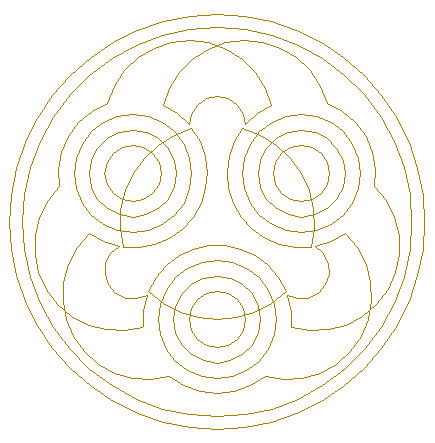
Reconstruction of the 2026 Etchilhampton Hill (2) formation | ||
| 1. |
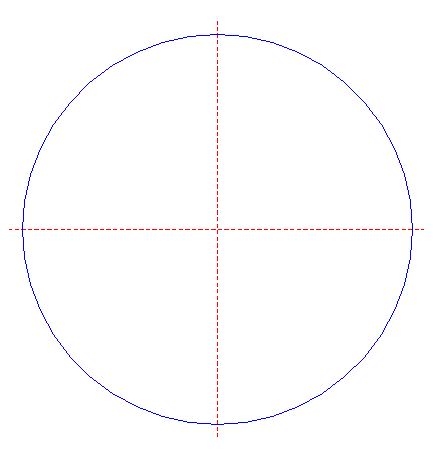
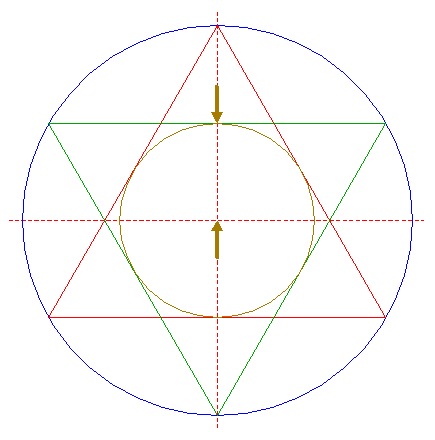
| Draw a circle. Draw and extend the horizontal and vertical centerlines. |
| 2. |
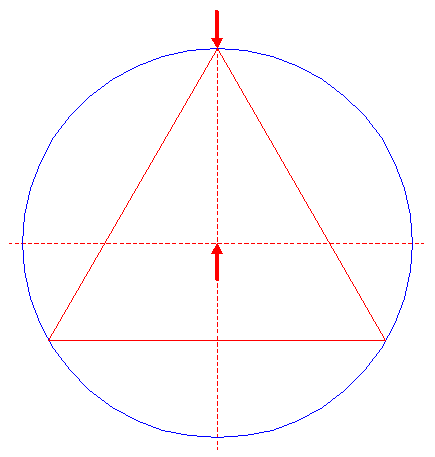
| Construct the inscribed equilateral triangle of circle 1, pointing up. |
| 3. |
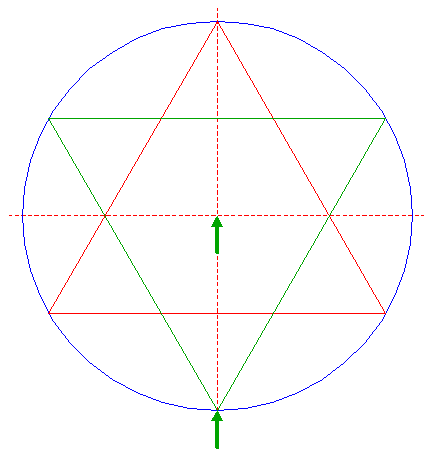
| Construct the inscribed equilateral triangle of circle 1, pointing down. |
| 4. |
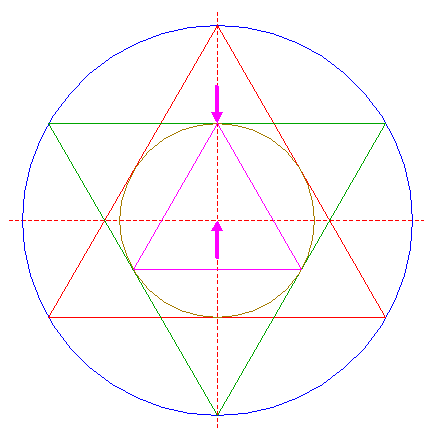
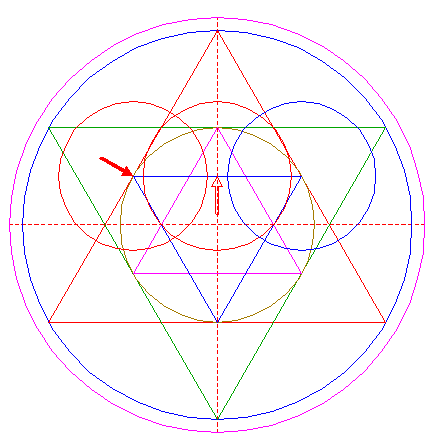
| Construct the inscribed circle of the hexagon enclosed by triangles 2 and 3. |
| 5. |
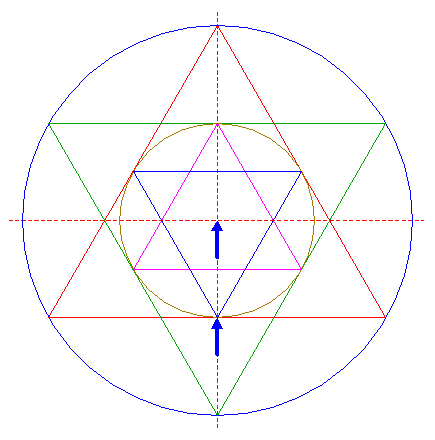
| Construct the inscribed equilateral triangle of circle 4, pointing up. |
| 6. |
| Construct the inscribed equilateral triangle of circle 4, pointing down. |
| 7. |
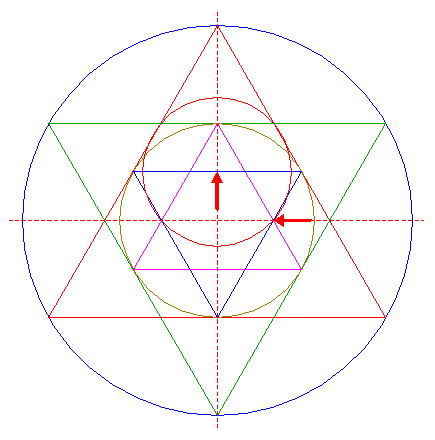
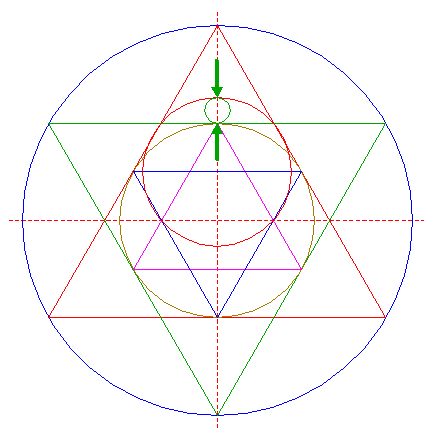
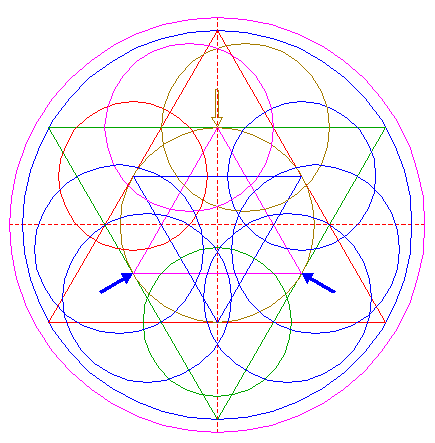
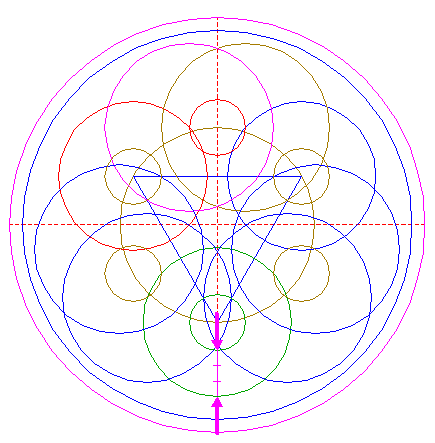
| Construct a circle centered at the intersection of the upper side of triangle 6 and the vertical centerline, passing through the intersection of the righthand side of triangle 6 and the horizontal centerline. |
| 8. |
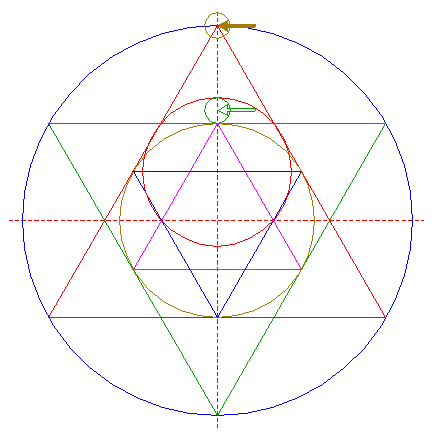
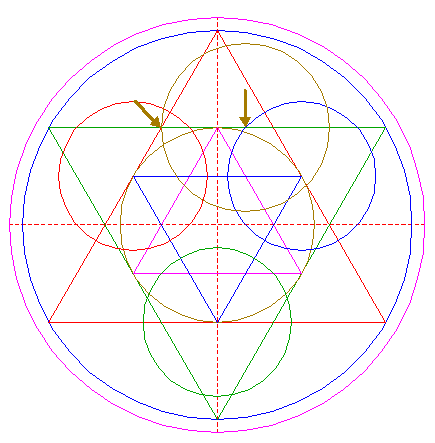
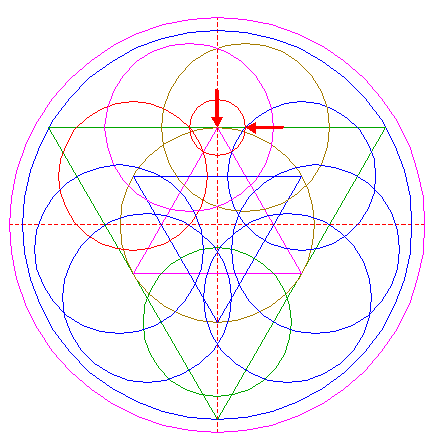
| Construct the "two-points" circle (defined by the two end-points of a centerline) between the upper intersections of circles 4 and 7 with the vertical centerline. |
| 9. |
| Copy circle 8 to the upper intersection of circle 1 and the vertical centerline. |
| 10. |
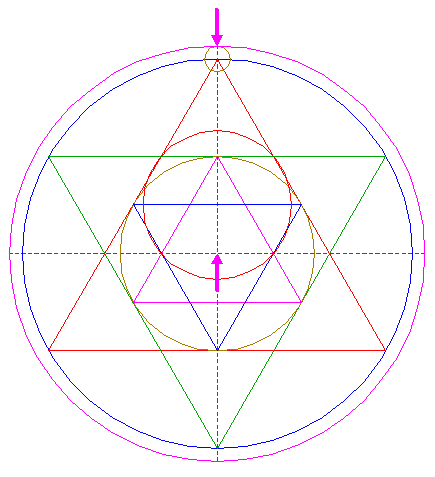
| Construct a circle concentric to circle 1, tangent to circle 9 at the upper side. |
| 11. |
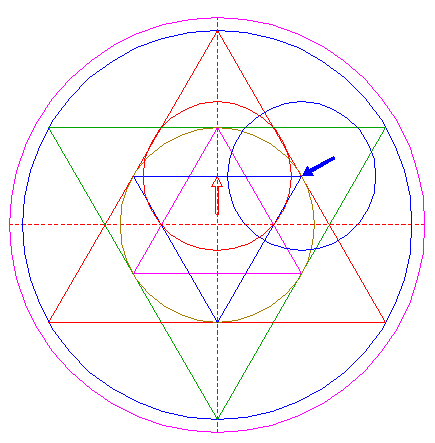
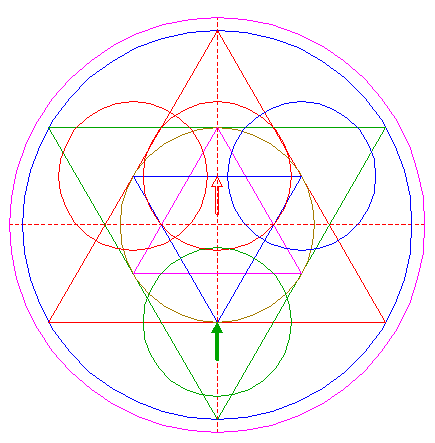
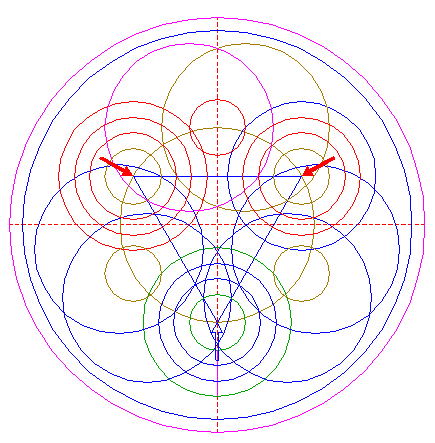
| Copy circle 7 to the righthand angular point of triangle 6. |
| 12. |
| Copy circle 7 to the lefthand angular point of triangle 6. |
| 13. |
| Copy circle 7 to the lower angular point of triangle 6. |
| 14. |
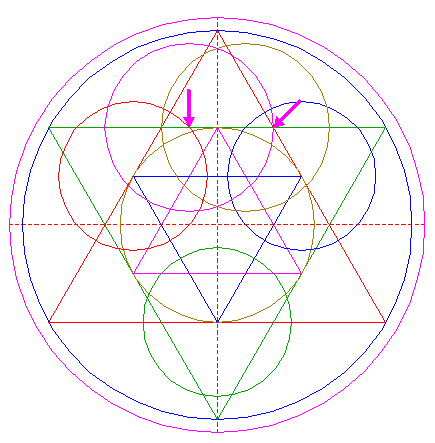
| Construct a circle centered at the lefthand intersection of circle 11 and the upper side of triangle 3, passing through the upper lefthand mutual intersection of triangles 2 and 3. |
| 15. |
| Construct a circle centered at the righthand intersection of circle 12 and the upper side of triangle 3, passing through the upper righthand mutual intersection of triangles 2 and 3. |
| 16. |
| Copy circles 14 and 15 two times, from the top of triangle 5 to its other angular points, while rotating around the center of circle 1. |
| 17. |
| Construct a circle centered at the top of triangle 5, passing through the center of circle 14. |
| 18. |
| Copy circle 17 to the lower angular point of triangle 6. |
| 19. |
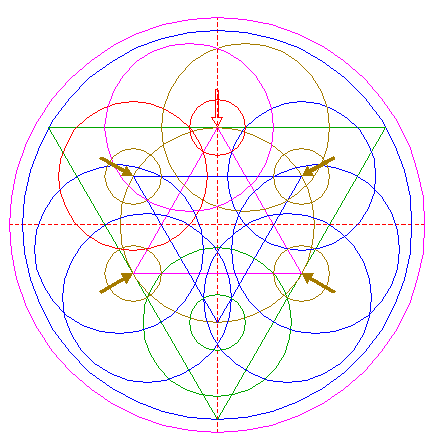
| Copy circle 17 four times, to the other angular points of triangles 5 and 6. |
| 20. |
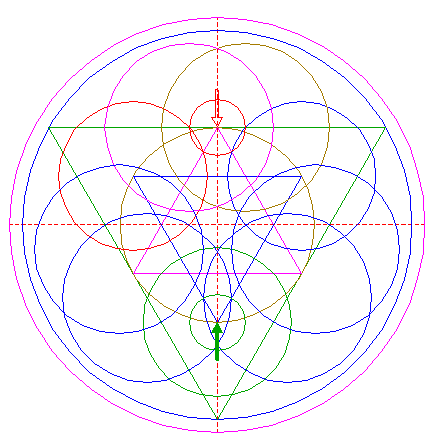
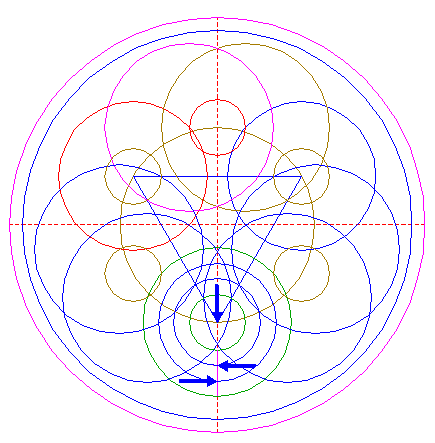
| Draw the connecting line between the lower intersections of circles 13 and 18 with the vertical centerline. Divide this line into three equal parts. |
| 21. |
| Construct two circles concentric to circle 13, passing through division nodes 20. |
| 22. |
| Copy circles 21 two times, to the other angular points of triangle 6. |
| 23. |
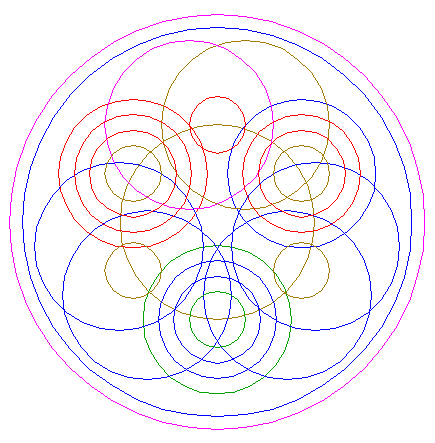
| Circles 1, 4, 10, 11, 12, 13, 14, 15, 16, 17, 18, 19, 21, and 22, are used for the final reconstruction. |
| 24. |
| Remove all parts not visible within the formation itself. |
| 25. |
| Colour all areas corresponding to standing... |
| 26. |
| ...or to flattened crop, and finish the reconstruction of the 2026 Etchilhampton Hill (2) formation. |
| 27. |
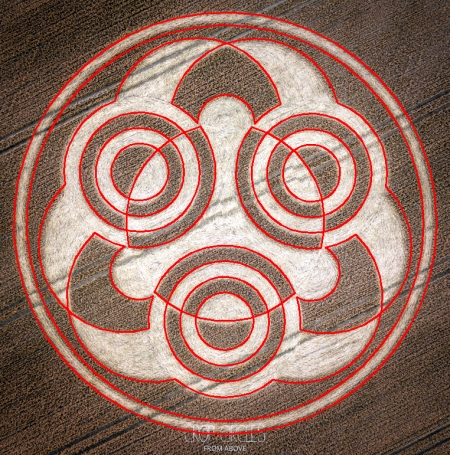
| The final result, matched with the aerial image. |
| Copyright © 2026, Zef Damen, The Netherlands |
|
|
||
|
|
||